


Staying comfortable through temperature swings takes more than luck; it takes a clear plan, steady habits, and quick action when small clues appear. Most breakdowns start as tiny signals you can spot early, like a faint rattle after startup, a dusty odor, or a thermostat that overshoots. With a simple checklist and seasonal touchpoints, you can cut risk, reduce energy waste, and stretch equipment life. We’ll map out practical moves, explain what parts and supplies matter, and show how to schedule work without disrupting your day. We’ll also cover how to weigh price against long‑term results. Real examples from homes and small offices keep things grounded, so you know what to do and when. Lean on this playbook to avoid sudden failures and keep comfort steady. We’ll keep it simple, specific, and repeatable.
Map clear scope and set priorities for the season
Start by listing rooms that run hot or cold, known noises, and comfort gaps you’ve noticed during the last extreme day. Learn more ac repair in our quick worksheet and sample plan. Rank what matters most today, then push nice‑to‑have items later. Put airflow checks, filter changes, and thermostat calibration at the top; delay cosmetic grille swaps. In a small clinic, begin with the lobby that drifts out of range by noon.
Define success in measurable terms so you can verify it, such as "bedrooms within two degrees by 8 p.m." or "startup noise under 55 dB." Match every target to a task owner and completion date. Right‑size the list so it fits a normal week, then schedule the rest next month. This approach builds momentum and reduces risk of burnout.
Gather right‑sized materials and document inputs before touching any equipment
Create a small kit: tape measure, digital manometer, mini level, fresh MERV‑rated filters, and a headlamp for attic or crawl checks. You can find examples ac repair in our supply checklist. Add a notepad or app to log readings and photos. Write down supply and return sizes, filter dimensions, and breaker labels. This prep avoids wasted trips and drifting timelines.
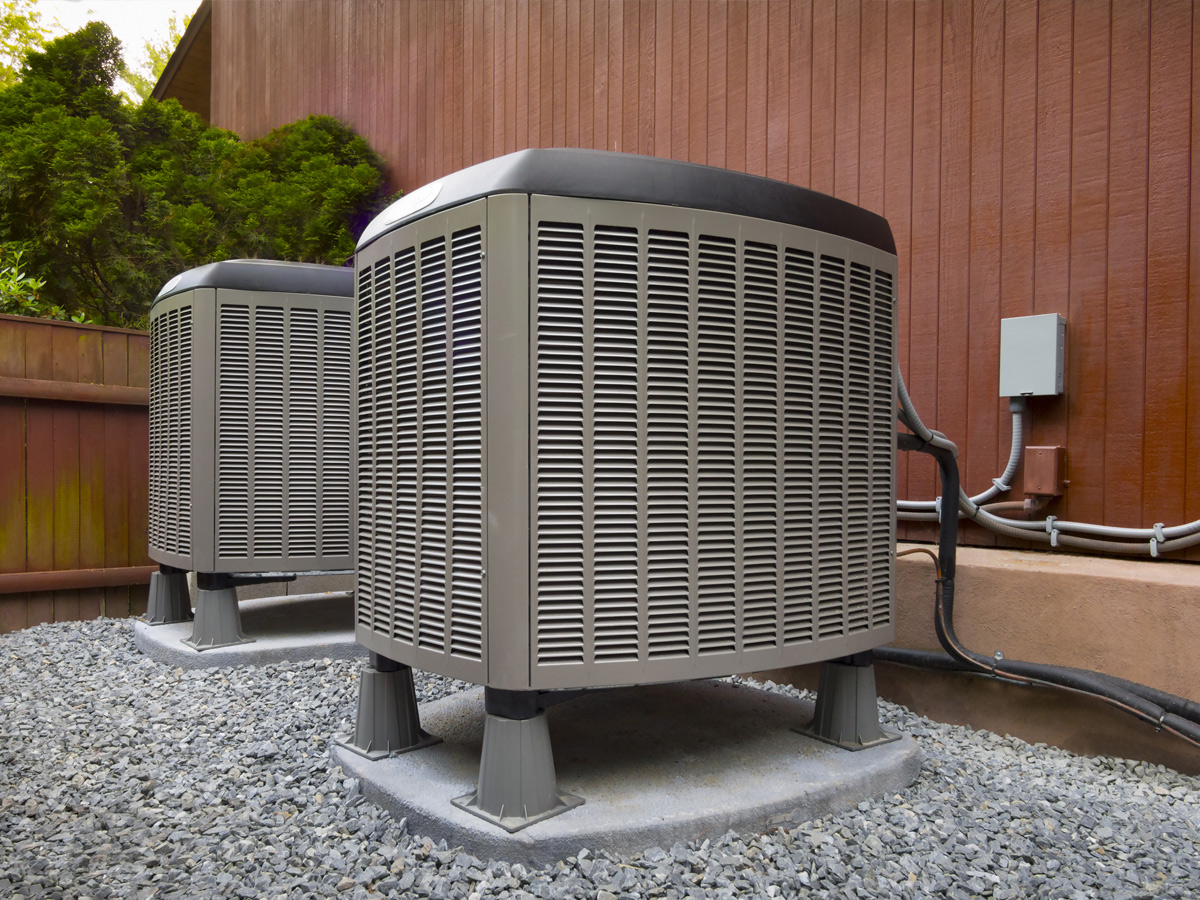
If a bedroom is stuffy, measure the grille face and duct size before buying a replacement. Record pressure and take starting temps from a few key vents. With that data, you can validate changes and avoid guesswork. For cooling concerns that also spark noise, plan a timed test during peak afternoon heat. A little planning makes fixes faster and prevents avoidable callbacks.
Build a steady workflow and sequence tasks for minimal disruption
Batch related work into one trip per area: filter change, grille check, and thermostat test in the hallway, then move clockwise. See typical sequences ac repair in our daily planner. Use 25‑minute focus blocks and five‑minute resets to stay sharp. Align loud tests with daytime hours to respect neighbors. For cooling failures, start with power and airflow before calling ac repair. That sequence often clears problems fast and keeps budgets intact.
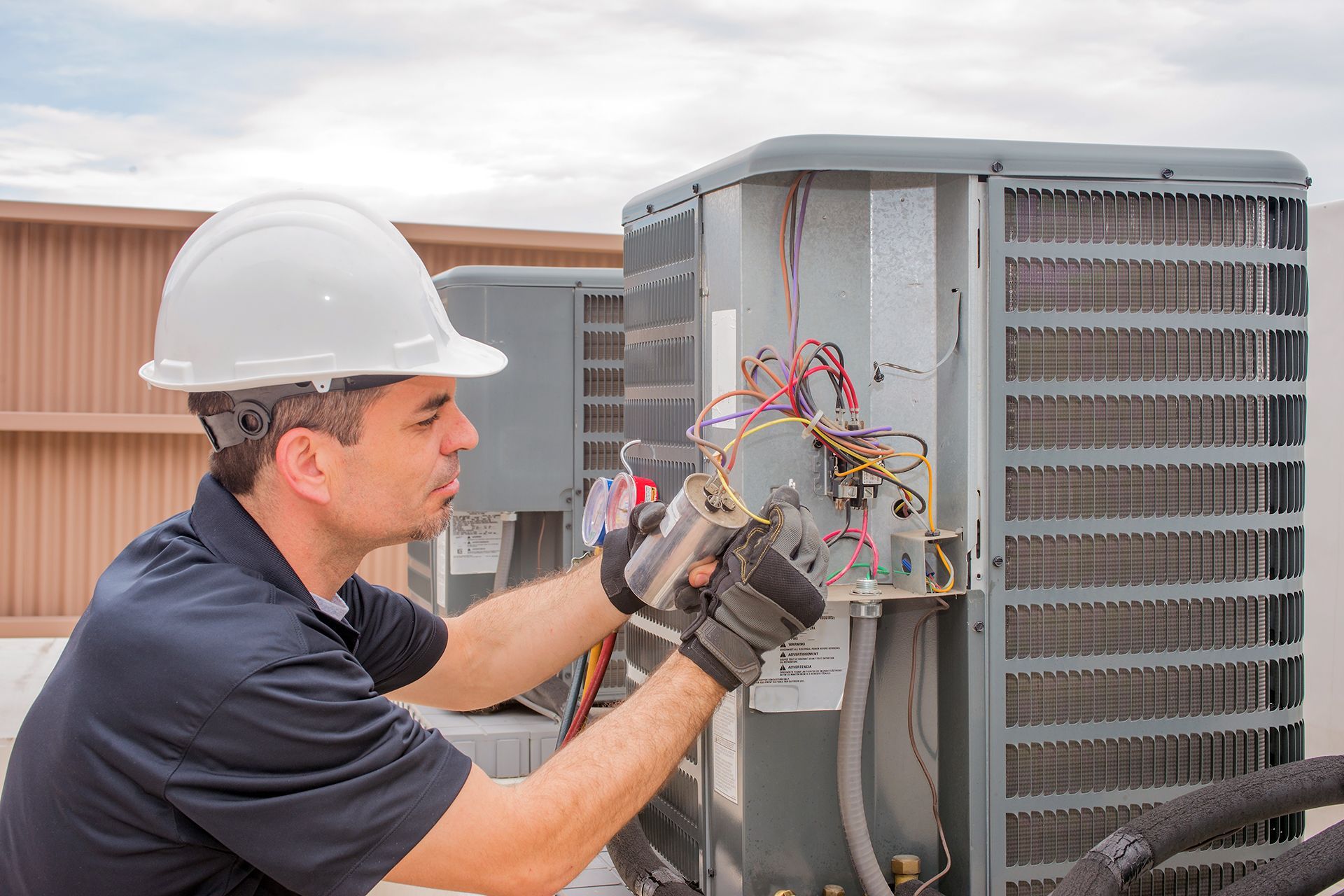
In a boutique store, schedule ladder work before opening; leave quiet calibration for closing time. Pre‑stage gear in zones so you’re not backtracking. Label parts bins "filters," "fasteners," and "electrical" to avoid mixing screws near live panels. Clear cadence reduces stress and speeds completion. When teams follow the same order, coordination gets easier and safer.

Verify quality and manage safety with checks that actually prove results
Start with a before‑and‑after reading at the same vents, at the same fan speed, under similar weather. More details live ac repair in our quick reference card. Match your temperature split to both spec targets and your starting log. Listen for vibration after panels go back on, and recheck screws at one and five minutes. When heat performance dips during freeze warnings, schedule trained furnace repair promptly. Early fixes prevent cascading failures and protect your coverage.
Use a simple risk grid: probability on one axis, impact on the other. Flag burnt odors and rapid cycling as immediate concerns. Write down findings, adjustments, and any open items. Share a one‑page summary with decision‑makers at home or at work. Clear proof builds trust and supports smart choices next season.
Balance budget with trade‑offs that protect long‑term reliability
Price small parts by payback time: a $20 filter upgrade that saves $3 a month pays back in a season. You can review examples ac repair in our cost sheet. Invest in sealing big return leaks before chasing specialty gadgets. Compare a quiet, efficient fan motor to the cost of ongoing noise and energy drag. Choose fixes that cut both risk and bills over flashy one‑offs.
In a rental duplex, cheaper filters might look good today, but a stuck coil later erases the savings. Sort work into now, next, and later with clear notes. Plan a follow‑up once the next bill lands to confirm gains. If comfort is stable but efficiency lags, target duct losses before replacing major components. Focused spending keeps comfort steady without budget shocks.
Choose the best partner and pose questions that reveal real fit
Interview two or three local teams and compare how they diagnose, not just what they sell. See what to ask ac repair in our printable list. Solid teams share numbers, provide pictures, and map the path. Ask how they handle same‑day calls, and how they protect floors and walls. When responses drift, find a crew that speaks in specifics.
Request references from recent jobs similar to yours, like a small office with afternoon hotspots. Request copies of sizing math and pressure readings. Clarify who arrives on routine visits and who handles emergencies. Confirm they document work in writing and share maintenance intervals. A good fit turns complex tasks into simple routines.
In the end, a steady plan, smart prep, clean workflow, tight verification, and balanced spending work together like gears. Each theme supports the next, so small wins multiply fast. With these habits, comfort stays steady, bills stay reasonable, and surprises shrink. Start small today, and next season will feel easy.